ข้ามไปยังเนื้อหาหลัก
หน้าแรก
ภาพยนตร์
นักแสดงชาย
หน้าแรก
/
ภาพยนตร์
/
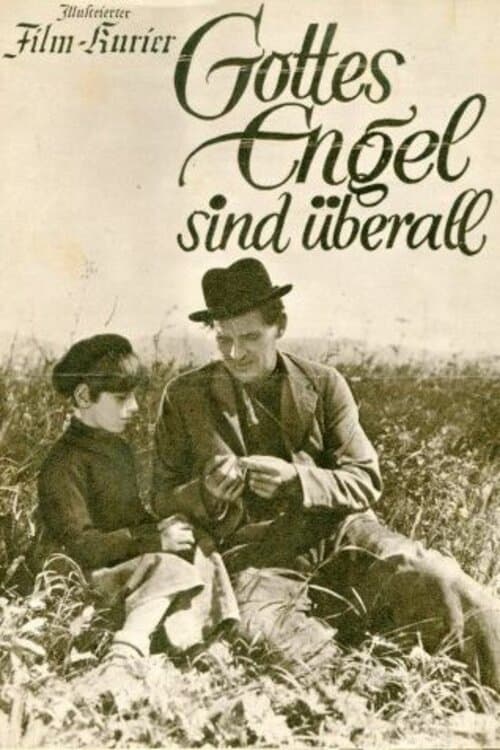
Gottes Engel sind überall
Gottes Engel sind überall
กำลังโหลด...
1948-03-22
ภาพยนตร์
ชอบ
เก็บรวบรวม
แบ่งปัน
ผู้อำนวยการ
Hans Thimig
นักแสดงชาย
Attila Hörbiger, Heiki Eis, Paul Hubschmid, Susi Nicoletti, Lotte Lang
พิมพ์
Drama
พื้นที่
Austria
ภาษา
German
วันที่วางจำหน่าย
1948-03-22
คะแนน
9.0
คำแนะนำที่เกี่ยวข้อง
Memoirs of Saira & Salim
It was only when Saira & Salim revisited that the walls crumbled, ached and longed. Seventeen years ago, 2002 communal riots in India took an ugly shape and a family was forced to abandon their burning house. The event meant to be buried under the debris unfolds when they share memories and conversations from a place they once called ‘home’.
Kim Wilde: Pop Don't Sto...
Two DVDs offer almost 50 videos, including a bonus 2021 interview and a ‘look-back-at-the-videos’ feature with Kim.
Julius Caesar. Spared Pa...
Famed Italian director Romeo Castellucci re-envisions his groundbreaking 1997 production Giulio Cesare (Julius Caesar) as a series of “fragments” rearranged and positioned against each other—a clash between the ethereal and the obscure, the power of rhetoric and language stripped to its source.
Cucap. El origen de los ...
Cora. La creacin del mun...
Chop Chop... You're Dead
A young woman is murdered and left for dead, but returns from the grave to exact vengeance on her killers.
El origen de las minas d...
The Chuj tell the story of three brothers and the reason behind the origin of the largest salt mines in San Mateo.
Chocholteco. La nia de l...
I Am Undone
A cosmetic surgeon suffers spectacularly from oversampling her own products.
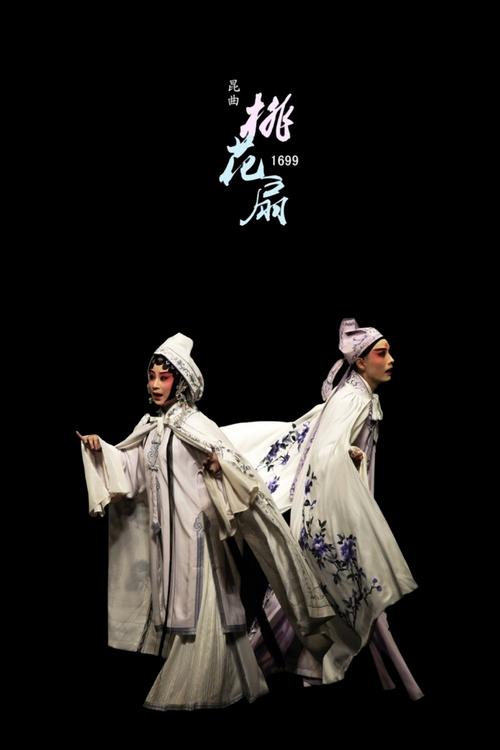
1699 Peach Blossom Fan...
The Peach Blossom Fan (Chinese: 桃花扇; pinyin: Táohuā shàn; Wade–Giles: T'ao-hua shan) is a musical play and historical drama in 44 scenes that was completed in 1699 by the early Qing dynasty playwright Kong Shangren after more than 10 years of effort. The play depicts the drama that resulted in the 1644 collapse of the Ming dynasty. The play recounts the death of the Ming dynasty through the love story of its two main characters, young scholar Hou Fangyu (侯方域) and a courtesan named Li Xiangjun. The Indiana Companion to Traditional Chinese Literature has called it "China's greatest historical drama".
ปิดไฟ
เปิดไฟ
กลับด้านบน