Zadar's Memento
กำลังโหลด...
1984-05-20
ภาพยนตร์
ผู้อำนวยการJoakim Marušić
นักแสดงชายLazar Ristovski, Zdravka Krstulović, Mustafa Nadarević, Milan Štrljić, Alma Prica
พิมพ์Drama
พื้นที่Yugoslavia
ภาษาItalian, Serbo-Croatian
วันที่วางจำหน่าย1984-05-20
คะแนน5.5
เนื้อหาเบื้องต้น
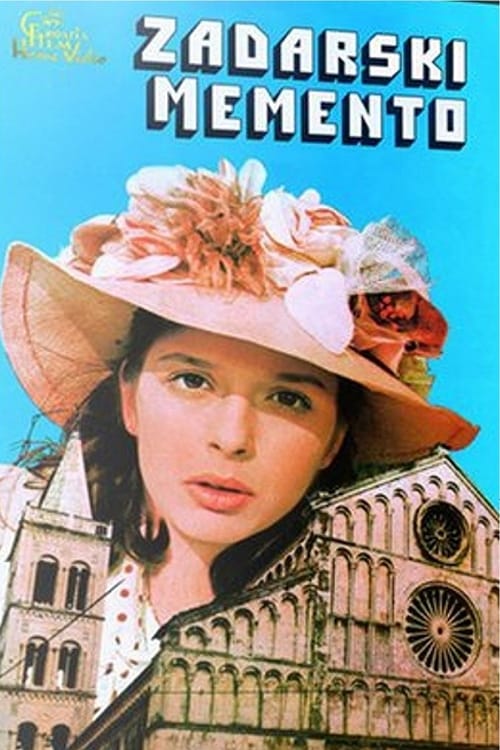
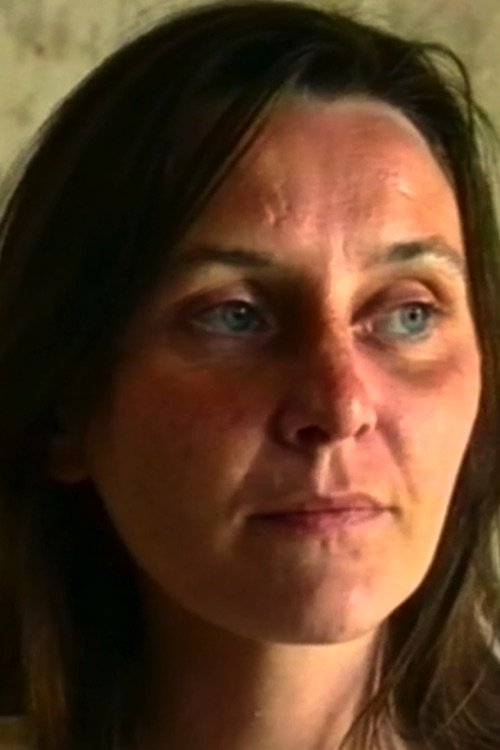
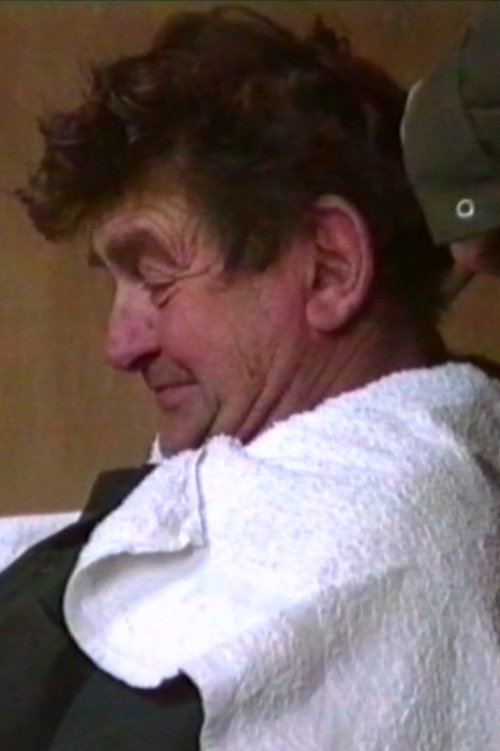
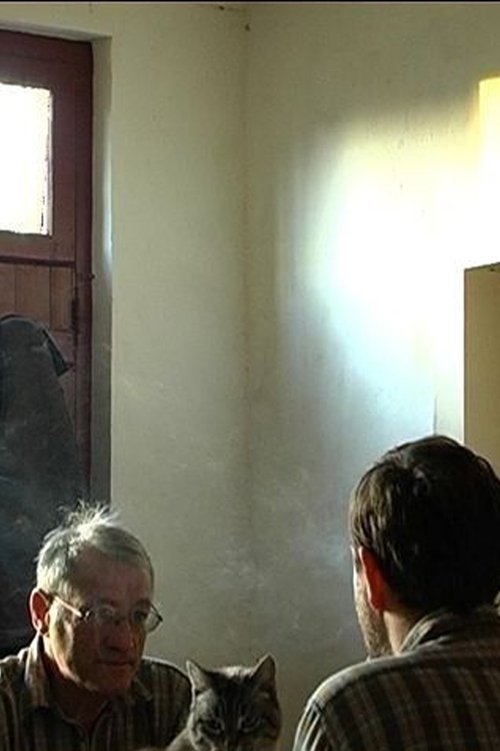
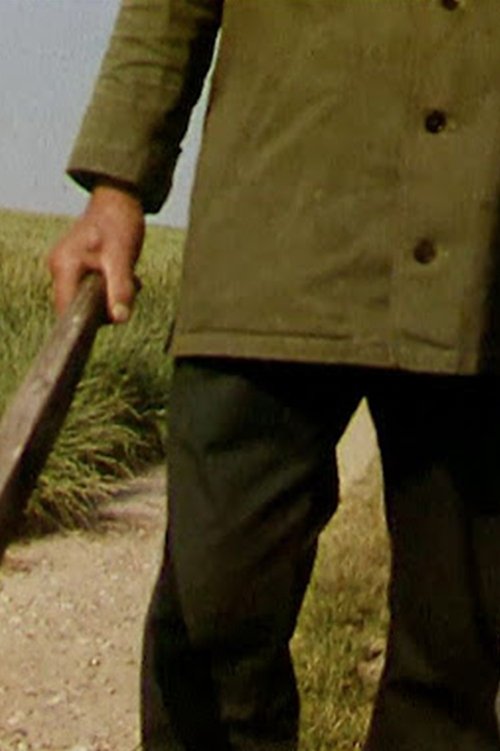
The painful challenges experienced in the life of a farmer from Zadar, Croatia, in the years from World War I to World War II.
คำแนะนำที่เกี่ยวข้อง
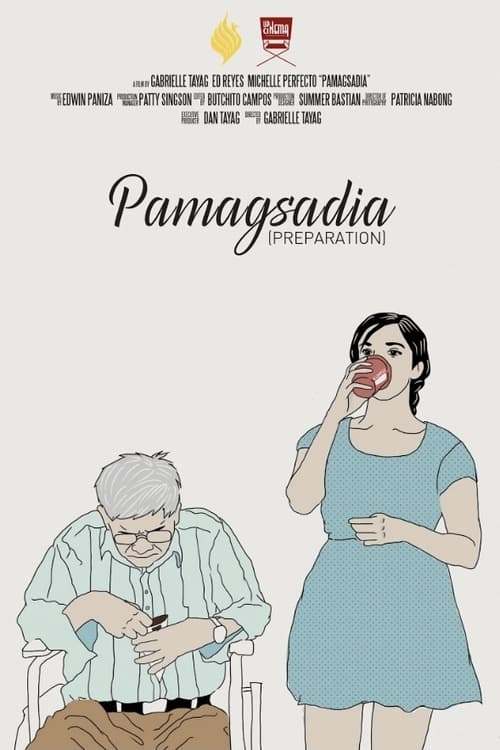
Preparation
Pamagsadia tells the story of Tricia, a member of a multi-generational household whose members maintain a happy disposition despite the apparent deterioration of the grandfather. All the while, Tricia focuses on preparing for her university transferee applications.
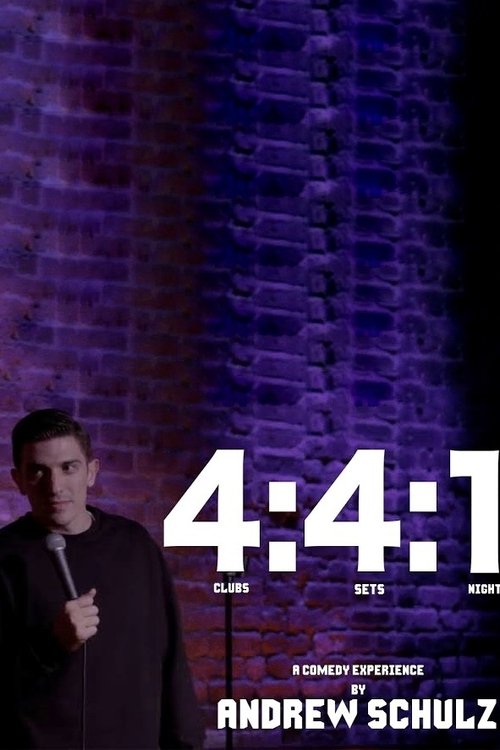
Andrew Schulz: 4:4:1
In September 2017, Schulz self-released his first comedy special, 4:4:1 on YouTube. In June 2018, Schulz followed up with his debut comedy album, 5:5:1. After only one day of release, it earned the top ranking on iTunes' comedy album charts; within its first week, the album ranked number-one one Apple Music, Google Play, and Amazon; and, for the week of June 23, 2018, the album was number one on the Billboard comedy album charts.
Dden i dypet...
Love at First Kiss
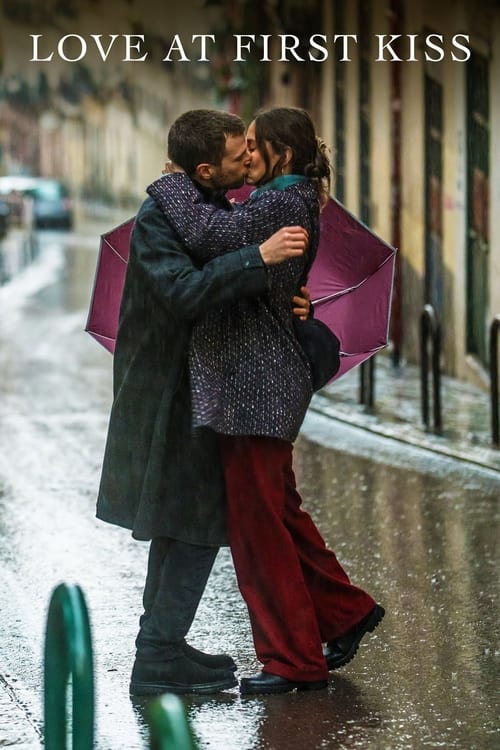
The story of Javier who, at the age of 16, while kissing a girl for the first time, realized that he had a gift of romantic clairvoyance. Javier can see the future... and he finally knows who the love of his life is.
Rebellen p villavejen...
Une saison
“Yves Edouard is someone I hear a lot about. He’s a farmer and cereal grower, an endive producer…. He’s clearly a character out of a novel. One morning, I went to his farm and he hired me, as he needed someone to weed his endive fields….When I went to see him, I imagined constructing something romanesque and aesthetic. I had planned to film the work but this proved impossible. I then met Catherine Pernot, the friend of my friend Sophie Roger. I was enchanted by her way of talking about things, even the most ordinary ones. I described the work on the endive farm so that she could turn it into her own story. I recorded her and reworked her words to create a text that she then had to learn and act out in front of the camera. Next, I filmed an interview between Yves and myself. The film is thus composed of two sequence shots: Catherine, then Yves. As if they had slipped into their characters’ skin, she tells the story, he answers the questions.”
La Vie aprs la mort...
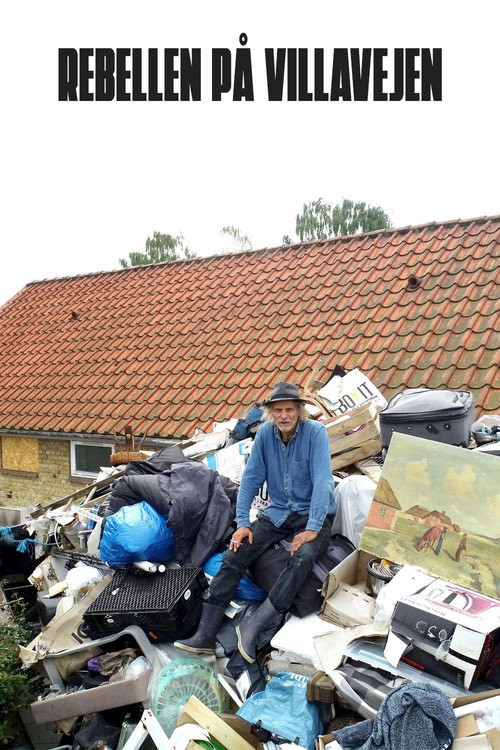
“I met Jean Lambert one year after my arrival in Bénouville, in 1992...Before we met, I used to see his house, his farm, and wondered who could be living in such a mess, amidst such neglect. I had prowled around a lot before approaching him, for months. The day I decided to go and see him on the pretext of buying milk, I cycled from Bénouville with my empty milk bottles. On the way, the police stopped me to ask where I was going. What a coincidence! Jean Lambert gave me the milk, pointing out that there were other farms closer to where I lived. The most difficult step had been taken…I went back to have dinner with him once a week. I’d arrive around 7pm and leave around two or three in the morning, always on my bike, often drunk…Later, I suggested that we make a film. He found the idea amusing, even though he mistrusted cinema. ‘You’re wasting your time, poetry is the only good thing. He died in April, the year of the eclipse….I finished the film I’d begun with him, without him"
The Shepherd's Hour
“The title came to me from Samuel Beckett’s book on Proust, in which he recalls that a new form of advertising appeared post-war, one that not only imposes a product, but also the time of day it has to be consumed: “Midday, seven o’clock: time for a Berger.” I knew this advert but it was on rereading this passage that I realised how similar it was to the shot where I’m alone drinking a [glass of] Berger, with the label clearly visible, and where the church bells are striking seven o’clock. Berger pastis is, of course, completely associated with Jean [Lambert], with our get-togethers, our weekly aperitifs. L’Heure du Berger is the recreation of Maniquerville. They were both made at the same time. In addition to Jean’s insistent “return” to his house, as his ghost inviting me to make this film, it is perhaps the heaviness of shooting Maniquerville that led me to make this film using such a light and intuitive touch.”
The squatters’ Return
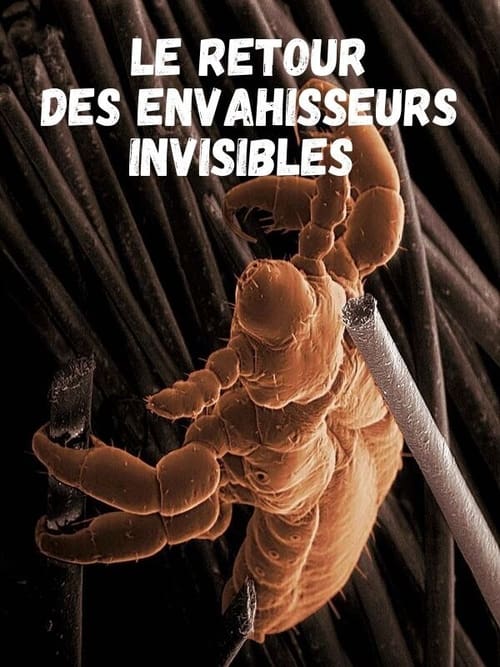
Lice, bedbugs, fleas, mites, mosquitoes, ticks, crab lice, which we believed for a moment we had gotten rid of, once again proliferate. Bedbugs invade city centers, lice are doing most well, the Tiger mosquito is on the way to Germany, ticks abound. Why are they back? How can we eliminate rapidly these very unwanted guests? Scientists point the finger at global warming, our too well insulated homes, our lifestyle changes, but also the genetic mutations of these invaders. If some parasites cause minor afflictions, others are vectors of very disabling diseases such as Lyme disease. Embark on a scientific investigation to understand the unexpected return of these bloodsuckers and the potential risks to our health.
Le Vicinal
Inland from the chalk plateau of Pays de Caux, the rituals of smoking hives and honey extraction are documented by an apprentice beekeeper, and a schoolboy watches from his classroom window over fields of rapeseed blown about by a coastal zephyr.