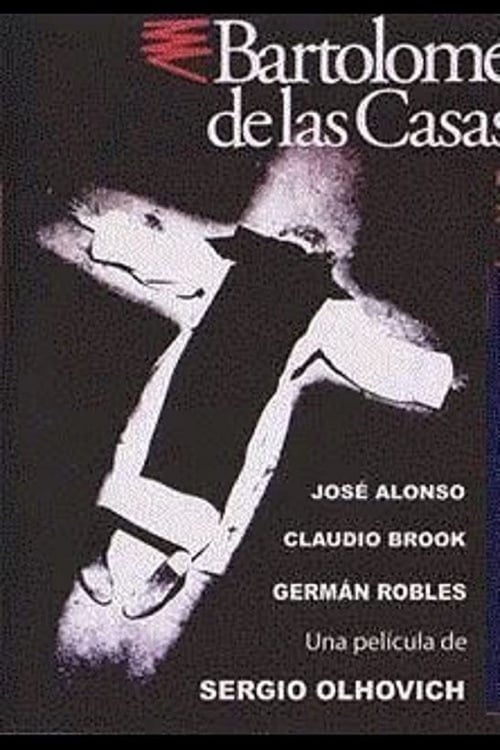
Fray Bartolomé de las Casas
กำลังโหลด...
1993-12-03
ภาพยนตร์
ผู้อำนวยการSergio Olhovich
นักแสดงชายJosé Alonso, Germán Robles, Claudette Maillé, Rolando de Castro, Rafael Montalvo
พิมพ์Drama, History
พื้นที่Mexico
ภาษาSpanish
วันที่วางจำหน่าย1993-12-03
คะแนน6.0
เนื้อหาเบื้องต้น
Three moments in the life of Fray Bartolomé de Las Casas; his youth encounter with the natives; his resignation in maturity to lands and encomiendas to evangelize and defend justice and dignity against the cruelty of the Spanish and his reflections at the end of his life
คำแนะนำที่เกี่ยวข้อง
The Gordon Affair
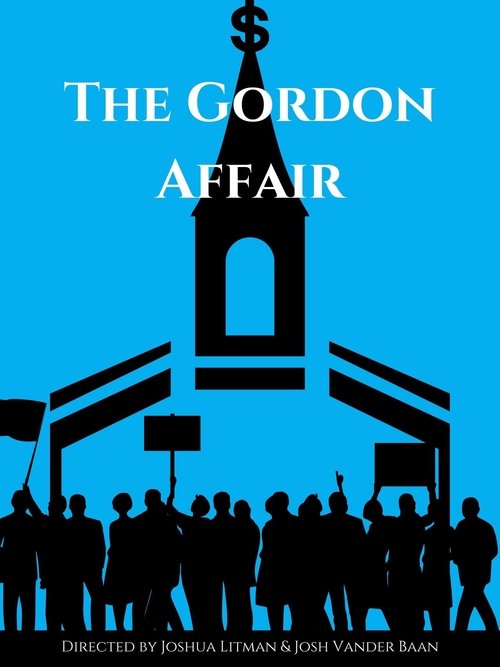
As a small liberal arts college on the North Shore, Gordon College has not been without its issues. Budget cuts in 2019 resulted in the downsizing of several departments which impacted students' college career. In 2020 during the heat of the pandemic, racial tensions rise after hate crimes are committed on campus. This is the story of the class of 2022.
Joseon, Our Rear Base
This is a propaganda film made after the establishment of the wartime total mobilization system. The film includes various war efforts, including Gyeongseong Prefectural Association's offering of airplanes; prisoners' contribution of heavy machine guns; the inauguration of the Joseon Youth League for war support; a ceremony to celebrate the fall of Wuhan; a Chinese consul's visit to the Joseon Shrine; visits from Italian and Mongolian delegations to Joseon; and encouragement of bond purchases. The narration at the end is recorded in Korean in a heroic tone. The narration encourages everyone to faithfully pursue his or her livelihood, accelerate the implementation of national policies, and achieve the 'purpose of the Holy War.' It is the only extant film of the ‘news films in Korean language” produced by the Japanese Government-General of Joseon during the Japanese colonial period. Acquired in 1994.
Die Welt steht still
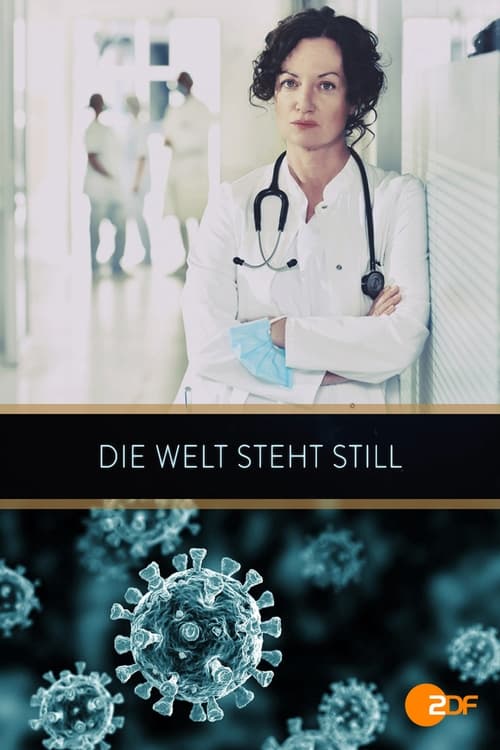
When the pictures from Bergamo in Italy go around the world in spring 2020, even non-medical people know what the word pandemic means. The previously unknown Coronavirus is spreading rapidly across the planet. Four days later, exit and contact restrictions also apply in Germany. Since then, the life of the Konstanz intensive care physician Dr. Carolin Mellau and her family on their heads. The female doctor becomes a member of the crisis team and is on duty around the clock to prepare the clinic for the impending emergency. As an anesthesiologist intubating those infected with COVID-19, she herself carries a high risk of infection. Meanwhile, her husband Stefan has to cancel his concerts as a musician, is no longer allowed to teach his music students and is suddenly sitting at home without an income. Teenage daughter Luzy is not allowed to see her Swiss boyfriend because the border is closed. She and brother Tim cannot go to school. But the worst case for the family is yet to come.
Bobbin
In the Rear in Joseon
This is a propaganda film that promotes Japan's victory in the Sino-Japanese War in 1937 and orders that Koreans to be ready for battle and armed with the Yamato (Japanese) spirit. Women are exhorted to donate a spoonful of rice each time they cook, while men are advised to quit drinking and smoking and donate the money they save to the war effort. The film illustrates how the Japanese colonial rule gave each person a role, however small, so that everyone could serve in the wartime machine. Acquired in 1993.
The Sheep in Northern Jo...
In the 1930s, Japan implemented a colonial policy called the “Policy of Sheep for North and Cotton for South.” The policy forced cotton cultivation in the southern region of the Korean Peninsula and sheep raising in the north in order to secure raw materials for its own industry. The film chronicles the process of transporting thousands of sheep on a boat from Australia to the Unggi region (now Seonbong in North Korea), how the sheep adapt after their arrival, and the process of wool production. The narration of the film, which appears as intertitles, is from the sheep's point of view, giving the film a whimsical, children’s-movie-like touch. Although the film hides its purpose of explicit propaganda behind its family-friendly format, it is of great importance; it gives us a glimpse into one aspect of the policy of expropriation of cotton and sheep under the Japanese colonial rule in the 1930s. Acquired in 2010.
A Letter from Tokyo Pt. ...
The footage contains scenery from various areas in Tokyo such as Akasaka, Ueno Park, and Shimbashi. As Korean subtitles are included, it is presumed to have been produced for the Korean audience. The film vividly documents sights and scenes of Tokyo including Tenryumon, a Chinese-style building that was a popular spot in Ueno Park before its destruction in the Great Tokyo Air Raid of 1945; the activities of the Tokyo City Youth League, established in 1925, who played a role in the support of the wartime system; people walking downtown; and the movement of a train from Shimbashi Station through Tokyo Station to Kanda Station. Acquired in 2010, and transferred in 4K resolution.
Livestock Industry of Ko...
Similar to Livestock Industry Promotion Exhibition in Hwanghae-do, this film contains another livestock exhibition held at Sariwon Public Agricultural School in Hwanghae-do Province. While Livestock Industry Promotion Exhibition in Hwanghae-do conveys the overall festive atmosphere and the expressions of the crowd, Livestock Industry of Korea shows livestock such as chickens, cows, pigs, and ducks exhibited at the festival, the farmers exhibiting them, and the award ceremony. This film focuses more on the details of the festival. According to the related materials, at the time of the exhibition, there were other events, such as hunting contests, restaurants, essay contests, concerts, and motion-picture screenings. Acquired in 1993.
The Cheese Nun
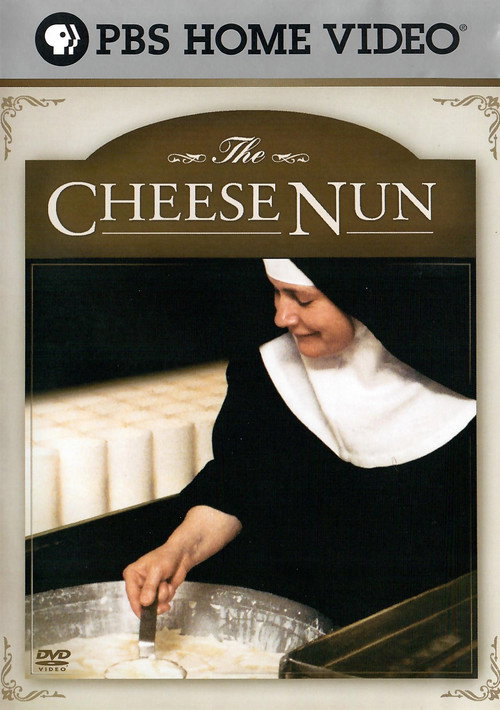
Sister Noella Marcellino, "The Cheese Nun," takes viewers on a fascinating and delightful personal journey as she becomes a champion for artisanal cheesemakers on both sides of the Atlantic. While making a 20,000-mile odyssey through some of the most remote cheesemaking regions of France, little did she realize that she was on her way to becoming a leading international expert in the art of natural-milk cheesemaking.
Livestock Industry Promo...
The film documents an exhibition for livestock industry promotion held in Sariwon, Hwanghae-do from October 21 to 25, 1924. At that time, Sariwon was an up-and-coming city whose “daily development is known to everyone” (Chosun Ilbo, October 9, 1924). The exhibition was held as a grand festival, attracting crowds of 30,000 on its opening day and 40,000 the following day. A moving camera passes through the square decorative doors of various designs installed in Sariwon’s downtown, conveying the festival atmosphere. Acquired in 2010, and transferred in 4K resolution.